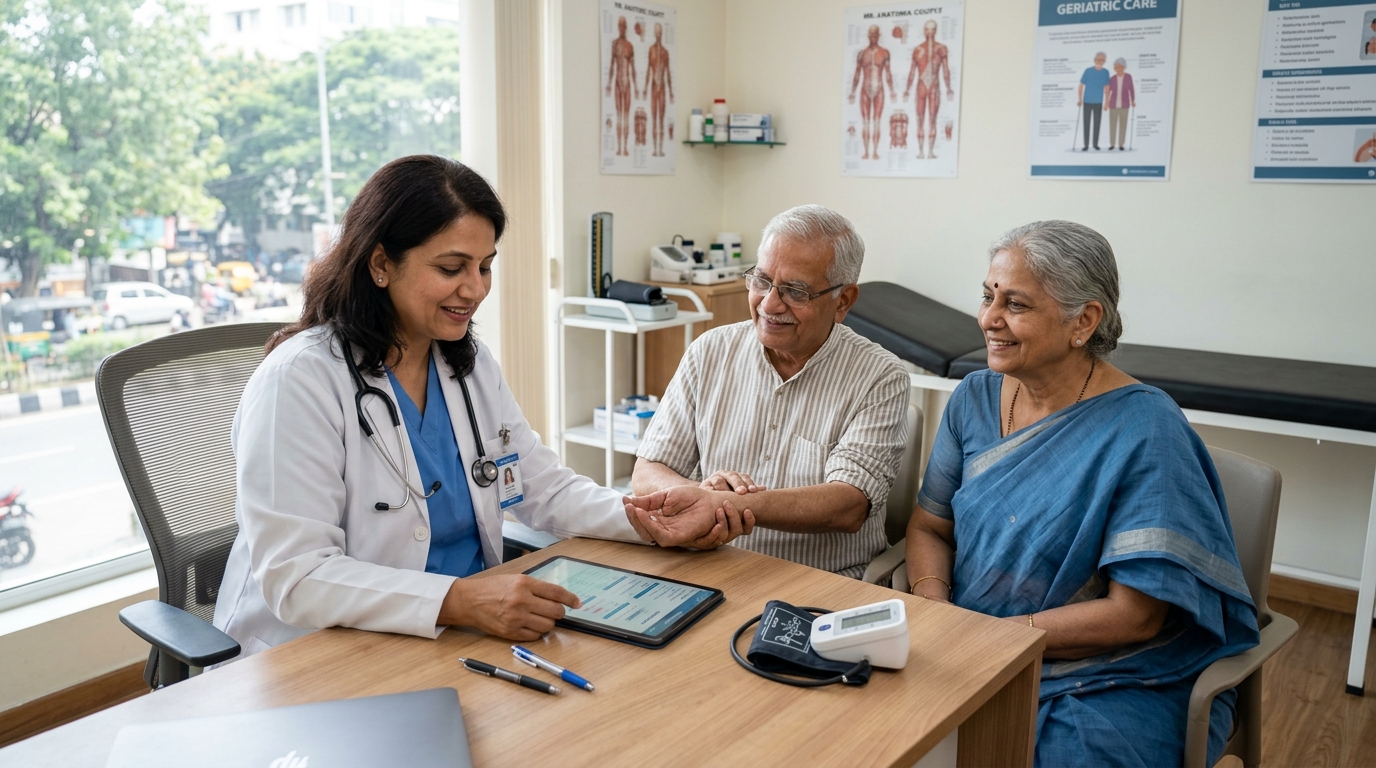
Caring for our elderly parents as they cross the milestone of 60 years requires a thoughtful, compassionate, and medically specialized approach. In geriatric medicine, the clinical goal shifts from simply treating isolated acute illnesses to actively preserving functional independence, cognitive vitality, joint mobility, and emotional well-being. Because physiological reserves decline across multiple organ systems simultaneously, seniors often present with atypical disease symptoms: a serious infection may manifest not as a high fever, but as sudden confusion or mild unsteadiness. A structured, periodic Senior Citizen Health Checkup provides the safety net needed to detect health changes early and keep elderly parents thriving in comfort.
The Philosophy of Geriatric Healthcare
Geriatric health screening is built around the concept of functional healthspan. Rather than chasing every minor lab variation aggressively, geriatricians evaluate how biomarker data connects to a senior's daily living: can they climb stairs comfortably, enjoy social interactions, sleep peacefully, and maintain balance? Proactive diagnostics identify silent issues—such as mild hyponatremia (low sodium), subclinical vitamin B12 deficiency, or early renal strain—before they cause debilitating falls or hospitalizations.
The 5 Core Domains of Senior Health Screening
A comprehensive geriatric assessment evaluates five interconnected clinical domains:
1. Cardiovascular & Cerebrovascular Health
Seniors face elevated risks of ischemic stroke, congestive heart failure, and silent arrhythmias. An annual 12-lead ECG detects atrial fibrillation (the leading cause of embolic strokes in the elderly), while blood pressure monitoring guards against dangerous orthostatic hypotension (sudden BP drops upon standing).
2. Renal Filtration & Electrolyte Equilibrium
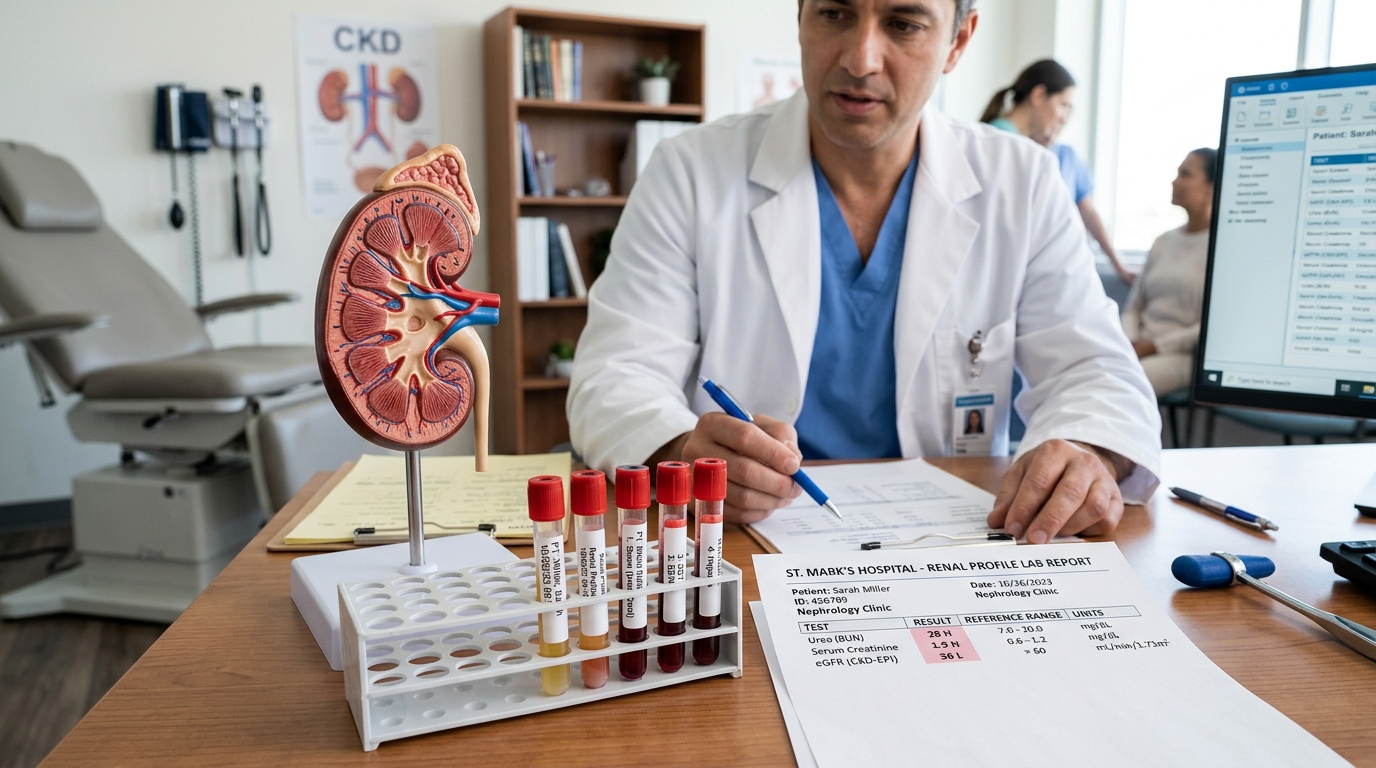
Renal mass and blood flow decline with age. Monitoring Serum Creatinine, eGFR, and Electrolytes (Sodium, Potassium) is critical, especially since many seniors take diuretics and ACE inhibitors for blood pressure.
3. Glycemic & Metabolic Control
In senior citizens, avoiding hypoglycemia (low blood sugar) is just as important as preventing high blood sugar, because acute hypoglycemia can trigger falls, cardiac arrhythmias, and cognitive confusion. Clinical guidelines often recommend an individualized HbA1c target of 7.0% to 7.5% for healthy seniors (and up to 8.0% for frail seniors).
4. Bone, Muscle, and Joint Integrity
Evaluating Vitamin D3, Calcium, and bone mineral density (DEXA) protects against osteoporotic hip and spinal fractures, while monitoring serum albumin and hemoglobin guards against sarcopenia (muscle loss) and frailty.
5. Cognitive, Sensory, and Nutritional Status
Checking Vitamin B12 and Thyroid Stimulating Hormone (TSH) screens for reversible causes of memory loss, confusion, and lethargy that are frequently misdiagnosed as permanent dementia.
Complete Senior Citizen Diagnostic Checklist (Age 60+)
The following checklist outlines the essential medical tests recommended annually for senior citizens:
| Health Domain | Recommended Laboratory / Clinical Tests | Optimal Frequency | Primary Clinical Goal for Seniors |
|---|---|---|---|
| Hematology & Inflammation | Complete Blood Count (CBC) + ESR | Every 6–12 Months | Screen for anemia, chronic occult blood loss, and subclinical infections. |
| Metabolic & Glycemic | Fasting Glucose & HbA1c | Every 3–6 Months | Maintain stable blood glucose while avoiding dangerous hypoglycemic episodes. |
| Cardiovascular | Lipid Profile + Resting 12-Lead ECG | Annual | Screen for silent atrial fibrillation, conduction blocks, and ischemic changes. |
| Renal & Electrolytes | KFT (Creatinine, eGFR, BUN, Uric Acid, Na+, K+) | Every 6 Months | Monitor kidney clearance and prevent dangerous sodium/potassium imbalances. |
| Hepatic (Liver) | LFT (SGPT, SGOT, Bilirubin, Albumin) | Annual | Assess liver function, drug clearance capacity, and protein nutrition (Albumin). |
| Neurological & Thyroid | TSH + Vitamin B12 + Vitamin D3 | Annual | Identify reversible causes of cognitive decline, neuropathy, and muscle weakness. |
| Bone & Musculoskeletal | DEXA Bone Density + Calcium | Every 2 Years | Assess fracture risk and guide osteoporosis management. |
| Urological & Renal | Urine Routine & PSA (for Men) | Annual | Detect asymptomatic urinary infections, microalbuminuria, and prostate health. |
Why Doorstep Home Collection Is Essential for Seniors
For elderly parents, visiting a crowded hospital or commercial laboratory in the morning fasting state can be physically exhausting. Navigating stairs, enduring traffic, waiting in lines, and facing exposure to seasonal respiratory viruses creates immense stress.
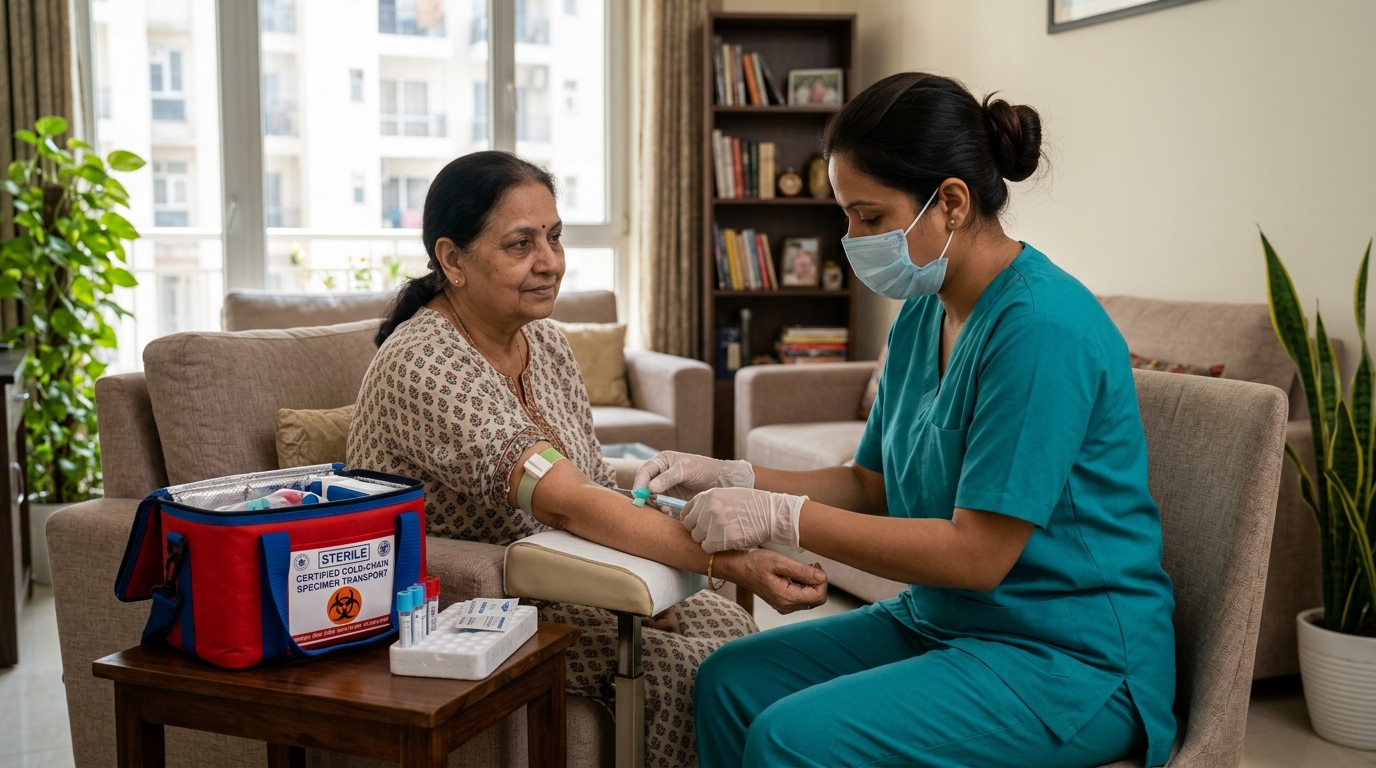
Mission100's specialized home blood collection service brings certified phlebotomists directly to your parents' bedside across Delhi NCR. Our phlebotomists are trained in gentle, bruise-free geriatric venipuncture, allowing seniors to complete their tests in the comfort of their home and have breakfast immediately afterward.
Combating Sarcopenia, Bone Loss, and Fall Risks
Falls represent the leading cause of injury-related hospitalization among senior citizens. Preventing falls requires a multi-pronged approach:
- Optimize Vitamin D & Calcium: Keeping serum 25(OH)D levels above 30 ng/mL improves proximal muscle strength and postural balance in seniors, reducing fall incidence by over 20%.
- Ensure Adequate Dietary Protein: Seniors require 1.0 to 1.2 grams of protein per kilogram of body weight daily to stimulate muscle protein synthesis and prevent sarcopenia.
- Correct Sensory Deficits: Ensure annual checks for eyeglasses and hearing aids, as sensory impairment is a major contributor to balance loss.
Polypharmacy: Medication Audits & Kidney Protection
It is common for seniors to take multiple daily medications prescribed by different specialists (cardiologist, endocrinologist, orthopedist). During annual health checkups, a physician should conduct a comprehensive medication audit to eliminate redundant drugs, adjust dosages for current kidney filtration (eGFR), and prevent dangerous drug interactions.
Book a Gentle Senior Citizen Health Checkup at Home
Give your elderly parents the gift of compassionate, certified preventive care. Free doorstep blood collection across Delhi NCR, gentle phlebotomy, and doctor consultations.
Frequently Asked Questions
Common clinical questions answered by Mission100 physicians.
Mild hyponatremia is common in elderly individuals due to age-related changes in kidney water handling, diuretic blood pressure medications, or low dietary salt intake. It can cause subtle unsteadiness, confusion, and increased fall risk, making routine electrolyte testing essential.
This article is grounded in peer-reviewed clinical literature and guidelines from leading healthcare authorities:
This content is for general informational and educational purposes only and does not substitute for professional medical advice, diagnosis, or treatment. Always seek the advice of a qualified physician or certified healthcare provider with any questions regarding medical conditions or diagnostic tests.