Statistical healthcare data reveals a persistent trend worldwide: men are significantly less likely to visit a doctor for routine preventive checkups, often ignoring early warning signs until symptoms become disruptive. Consequently, men are diagnosed with hypertension, coronary artery disease, type 2 diabetes, and non-alcoholic fatty liver disease at later, more complex stages than women. In South Asian men—who have a documented genetic predisposition toward premature coronary atherosclerosis and central visceral adiposity—proactive annual screening is essential to protect cardiovascular vitality, maintain physical stamina, and ensure long-term healthspan.
Closing the Men's Preventive Health Gap
The traditional mindset of "I feel fine, so I don't need a checkup" is medically flawed. Atherosclerosis, elevated blood pressure, insulin resistance, and early hepatic inflammation cause zero physical pain during their initial 5 to 10 years of development. By establishing a structured, age-stratified annual diagnostic routine, men can identify physiological deviations early and take targeted action.
Decade-by-Decade Screening Guide for Men
In Your 20s: Baseline & Lifestyle Health
- Complete Blood Count (CBC): Baseline hematology and immune status.
- Lipid Profile Baseline: Identify genetic hypercholesterolemia or high triglycerides early.
- Blood Pressure & Fasting Sugar: Screen for early hypertension and prediabetes, especially for desk-bound professionals.
- Testicular Self-Examination: Monthly self-checks for unusual lumps (testicular cancer peaks between ages 20 and 39).
In Your 30s: Cardiovascular & Metabolic Vigilance
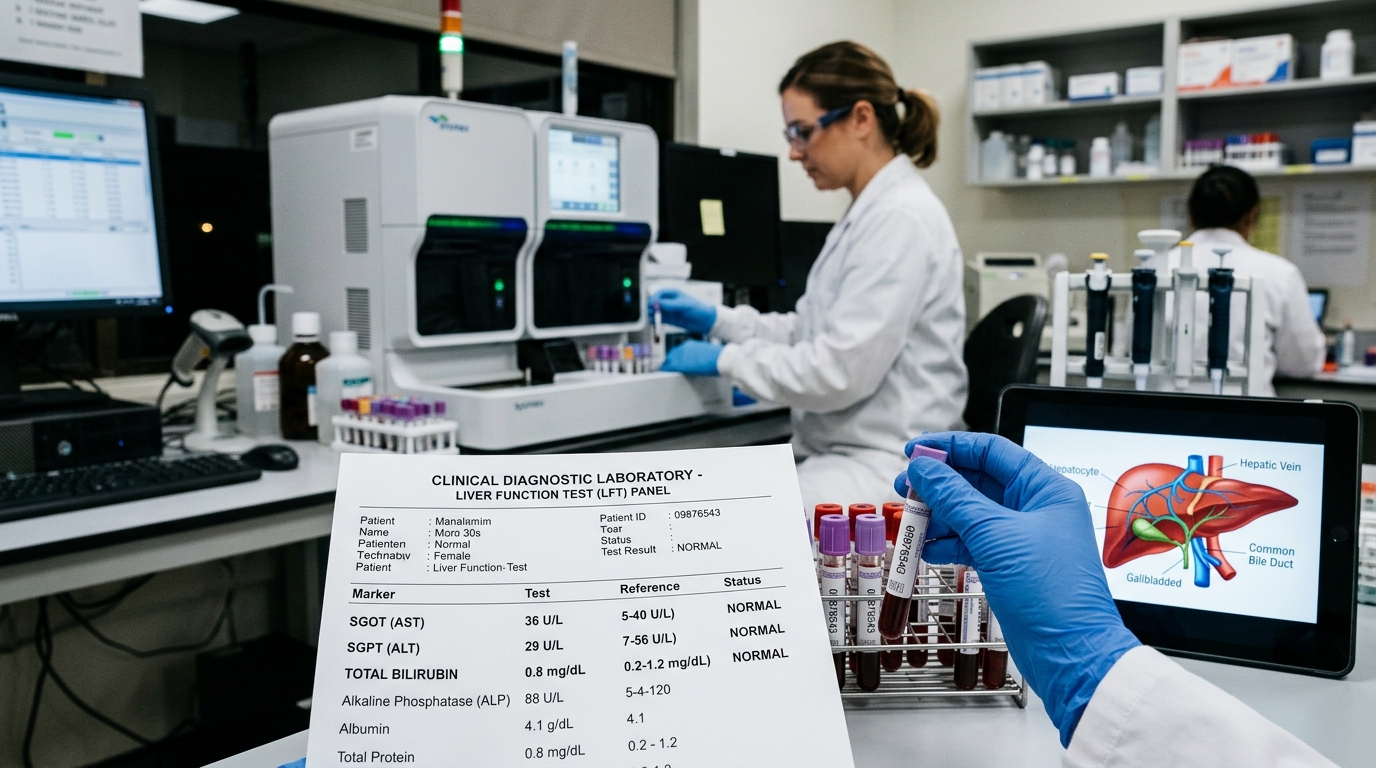
- Annual Complete Health Checkup: Multi-organ evaluation including Liver Function (SGPT/SGOT) and Kidney Function (Creatinine/eGFR).
- Fasting Blood Glucose & HbA1c: Screen for insulin resistance and prediabetes.
- Uric Acid & Lipid Ratios: Monitor purine metabolism and atherogenic lipid ratios (Total/HDL, Triglyceride/HDL).
- Resting 12-Lead ECG: Baseline cardiac rhythm and electrical conduction trace.
In Your 40s: Comprehensive Cardiovascular & Organ Screening
- Advanced Cardiovascular Markers: hs-CRP, Apolipoprotein B, and Lipoprotein(a).
- Resting ECG & Treadmill Stress Test (TMT): Detect exertional cardiac ischemia and electrical changes.
- Fatty Liver Evaluation: LFT enzymes and abdominal ultrasound to screen for NAFLD.
- Baseline PSA (if family history): Early baseline for men with a first-degree family history of prostate cancer.
In Your 50s & Beyond: Prostate, Cancer, and Organ Reserve
- Prostate Specific Antigen (PSA): Total PSA blood test combined with digital rectal exam (DRE) to evaluate prostate health.
- Colorectal Cancer Screening: Annual FIT stool test or Colonoscopy every 10 years starting at age 45 to 50.
- Renal & Electrolyte Monitoring: Semi-annual KFT to track eGFR and prevent hypertensive kidney strain.
- Cardiovascular Imaging: 2D Echocardiogram and consideration of a CT Coronary Calcium (CAC) scan.
Master Men's Health Screening Matrix (20s to 60s+)
The following table outlines the essential diagnostic tests recommended across each decade of a man's life:
| Age Bracket | Essential Lab Panels | Physical & Imaging Screenings | Key Clinical Objectives |
|---|---|---|---|
| 20s (20–29) | CBC, Lipid Profile, Fasting Sugar, Uric Acid. | Blood Pressure, Monthly Testicular Self-Exam. | Establish baseline; detect genetic dyslipidemia and lifestyle strain. |
| 30s (30–39) | Full Body Panel, HbA1c, Lipids, LFT, KFT, Vitamin D3/B12. | Resting 12-Lead ECG, Blood Pressure tracking. | Catch prediabetes, manage stress-induced hypertension, reverse early fatty liver. |
| 40s (40–49) | Comprehensive Panel (69+ tests), hs-CRP, ApoB, Thyroid (TSH). | 12-Lead ECG, Treadmill Test (TMT), Ultrasound Abdomen. | Cardiovascular risk stratification, detect coronary ischemia, metabolic optimization. |
| 50s & 60s+ | Annual Full Body Panel, Total PSA, eGFR/KFT, Electrolytes. | Colonoscopy / FIT, 2D Echocardiogram, Eye Exam (Glaucoma). | Prostate screening, colorectal cancer prevention, preserving cardiovascular and renal reserve. |
Preventing Premature Cardiovascular Events
Cardiovascular disease is the leading cause of premature mortality among Indian men. Atherosclerosis begins silently in the 20s and 30s. Managing blood pressure (< 120/80 mmHg), optimizing LDL cholesterol (< 100 mg/dL, or < 70 mg/dL in high-risk individuals), maintaining HbA1c < 5.7%, and eliminating all tobacco use can reduce heart attack risk by up to 80%.
Prostate Health, BPH, and PSA Screening
The prostate is a walnut-sized gland situated below the bladder in men. After age 50, two primary conditions become common:
- Benign Prostatic Hyperplasia (BPH): Non-cancerous enlargement of the prostate that compresses the urethra, causing weak urinary stream, hesitancy, nocturia (frequent nighttime urination), and incomplete emptying.
- Prostate Cancer: One of the most common malignancies in men. The Total PSA (Prostate-Specific Antigen) blood test measures a protein synthesized by prostate epithelial cells; elevated or rapidly rising PSA levels warrant further urological evaluation.
Metabolic Syndrome, Testosterone, and Sarcopenia
Starting in the mid-30s, circulating free testosterone gradually declines by about 1% annually. When combined with sedentary habits and visceral belly fat, aromatase enzymes in adipose tissue convert testosterone into estrogen, further exacerbating muscle loss (sarcopenia) and metabolic slowing. Engaging in regular progressive resistance training and maintaining optimal Vitamin D3 levels helps preserve lean muscle mass and metabolic vigor.
Book a Comprehensive Men's Health Checkup at Home
Protect your heart, liver, metabolism, and prostate health. Book Mission100's doctor-curated health package with free home blood collection in Delhi NCR and same-day reports.
Frequently Asked Questions
Common clinical questions answered by Mission100 physicians.
South Asian men have a genetic predisposition toward higher levels of atherogenic Lipoprotein(a), small dense LDL particles, lower protective HDL, and higher rates of visceral adiposity and insulin resistance, leading to coronary blockages up to a decade earlier than Western populations.
This article is grounded in peer-reviewed clinical literature and guidelines from leading healthcare authorities:
- [1]American Urological Association (AUA) (2023). "Men's Health: Prevention and Clinical Guidelines". Source
- [2]
This content is for general informational and educational purposes only and does not substitute for professional medical advice, diagnosis, or treatment. Always seek the advice of a qualified physician or certified healthcare provider with any questions regarding medical conditions or diagnostic tests.