A woman's biological journey is dynamic, shaped by intricate hormonal rhythms that evolve across distinct life milestones: adolescence, reproductive years, pregnancy, perimenopause, menopause, and beyond. At each life stage, physiological priorities shift. While a young woman in her 20s may focus on reproductive health, PCOS, and iron status, a woman in her 40s navigates perimenopause and metabolic changes, and a woman in her 50s requires proactive cardiovascular and bone density surveillance. A structured, age-stratified health checkup provides personalized diagnostic insights to protect female vitality and healthspan.
Why Women's Health Requires Life-Stage Diagnostics
Women frequently prioritize the healthcare needs of their families while postponing their own routine checkups. However, female physiology exhibits specific vulnerabilities: higher rates of iron-deficiency anemia, a five-fold higher incidence of autoimmune thyroid disorders, unique bone mineral loss after menopause, and subtle, atypical presentations of cardiovascular disease. Proactive annual screening ensures health issues are caught early when they are most manageable.
Decade-by-Decade Diagnostic Checklist
In Your 20s: Establishing the Baseline
- Complete Blood Count (CBC) & Serum Ferritin: Menstrual blood loss makes iron-deficiency anemia widespread. Ferritin measures total stored iron, catching deficiency before hemoglobin drops.
- PCOS & Metabolic Screen: For women with irregular cycles, acne, or hirsutism, testing fasting insulin, testosterone, LH/FSH ratio, and pelvic ultrasound evaluates Polycystic Ovary Syndrome.
- Thyroid Profile (TSH): Baseline screening for subclinical hypothyroidism.
- Cervical Screening (Pap Smear): Begin cervical cytology screening at age 21, repeated every 3 years.
In Your 30s: Fertility, Metabolism, and Career Balance
- Pre-Pregnancy / Antenatal Screenings: Blood group, Rh factor, Rubella IgG, HbA1c, TSH (target < 2.5 μIU/mL for conception), and Hemoglobin Electrophoresis.
- Annual Metabolic Panel: Fasting Glucose, HbA1c, and complete Lipid Profile to monitor the effects of workplace stress and sedentary routines.
- Vitamins D3 & B12: Critical for energy, bone mineralization, and neurological resilience.
In Your 40s: Navigating Perimenopause & Midlife Health
- Perimenopause & Hormonal Balance: Track TSH and discuss cycle changes with your gynecologist to differentiate perimenopause from thyroid disorders.
- Mammography Baseline: Begin screening digital mammograms between ages 40 and 45.
- Cardiovascular Screening: Annual resting 12-lead ECG and comprehensive lipid profile with atherogenic ratios.
- Cervical Co-Testing: Pap smear combined with high-risk HPV DNA testing every 5 years.
In Your 50s & Beyond: Postmenopausal Vitality & Cancer Surveillance
- Cardiovascular Vigilance: With the loss of protective estrogen, monitor blood pressure, LDL cholesterol, and hs-CRP closely.
- DEXA Bone Mineral Density Scan: Check bone density at the spine and hip to diagnose osteopenia/osteoporosis.
- Colorectal Cancer Screening: Annual FIT stool test or Colonoscopy every 10 years starting at age 45 to 50.
- Annual Mammography: Continued every 1 to 2 years through age 74.
Master Women's Screening Matrix (20s, 30s, 40s, 50s+)
The following table summarizes the essential health checkup checklist across each decade of a woman's life:
| Age Bracket | Essential Blood & Lab Panels | Physical & Imaging Screenings | Key Clinical Focus |
|---|---|---|---|
| 20s (20–29) | CBC, Ferritin, TSH, Fasting Sugar, Lipid Baseline. | Pap Smear (every 3 yrs), Pelvic Ultrasound (if PCOS symptoms). | Anemia prevention, menstrual regularity, PCOS detection. |
| 30s (30–39) | CBC, HbA1c, Lipids, LFT, KFT, TSH, Vitamin D3, B12. | Pap Smear / HPV, Blood Pressure check, Clinical Breast Exam. | Metabolic baseline, fertility optimization, stress management. |
| 40s (40–49) | Full Body Panel (69+ tests), HbA1c, Lipids, TSH, hs-CRP. | Baseline Mammogram (age 40–45), 12-Lead ECG, Pap+HPV co-test. | Perimenopause management, early cardiac and breast surveillance. |
| 50s & 60s+ | Annual Full Body Panel, eGFR/KFT, Lipids, HbA1c, Electrolytes. | DEXA Bone Density Scan, Mammogram (every 1–2 yrs), FIT / Colonoscopy. | Osteoporosis prevention, postmenopausal cardiac protection, cancer screening. |
Thyroid, PCOS, and Autoimmune Vulnerabilities
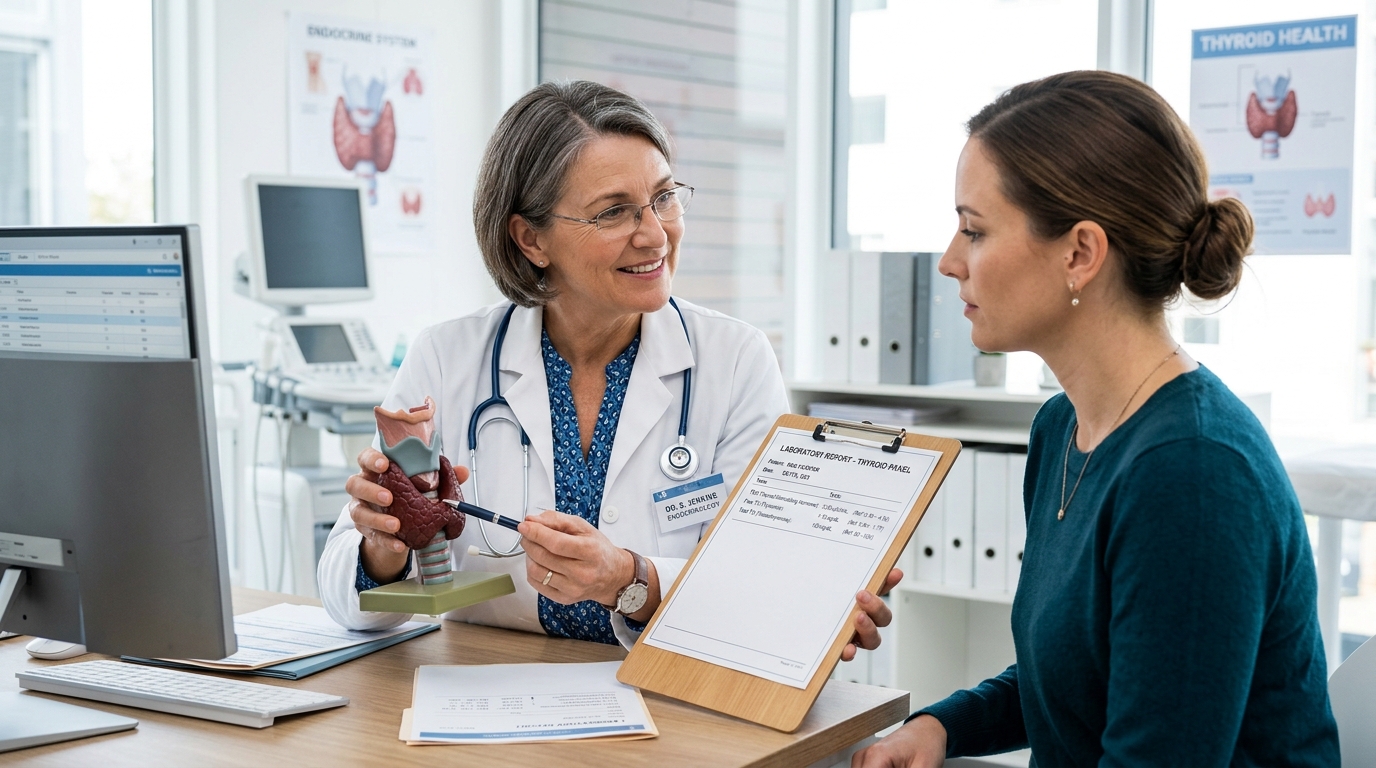
Autoimmune conditions are significantly more prevalent in women due to genetic and hormonal factors. If you experience chronic fatigue, cold intolerance, diffuse hair thinning, or unexplained weight gain, request a Thyroid Profile (TSH, Free T4) along with Anti-TPO antibodies to screen for Hashimoto's Thyroiditis.
Breast and Cervical Cancer Screening Guidelines
Breast and cervical cancers are the two most common malignancies affecting women in India, yet both are highly detectable in precancerous or early stages:
- Cervical Cancer: Over 95% of cervical cancers are caused by persistent infection with high-risk Human Papillomavirus (HPV) strains. Regular Pap cytology and HPV DNA testing detect precancerous dysplasia years before invasive cancer develops.
- Breast Cancer: Monthly breast self-examination helps you recognize your normal tissue texture. Starting in your 40s, digital mammography can detect tiny microcalcifications years before a lump becomes palpable.
Postmenopausal Bone Density & Cardiovascular Health
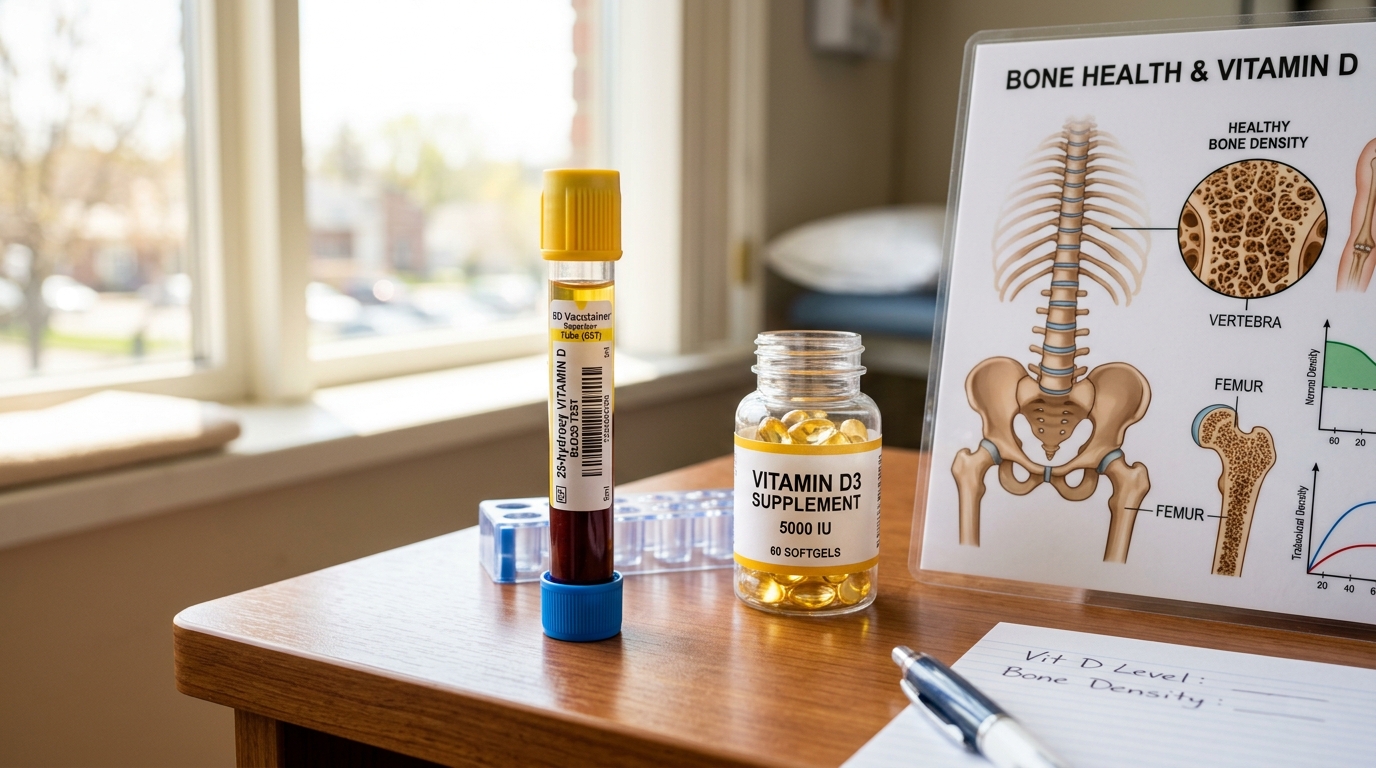
Following menopause, estrogen deficiency accelerates bone calcium resorption and alters lipid metabolism (raising LDL and lowering HDL). Women in their 50s and 60s must prioritize resistance strength training, ensure adequate calcium and Vitamin D intake, and schedule periodic DEXA bone density scans.
Book a Comprehensive Women's Health Checkup at Home
Personalized diagnostic health packages tailored to your life stage. Certified doorstep blood collection across Delhi NCR with same-day verified digital reports.
Frequently Asked Questions
Common clinical questions answered by Mission100 physicians.
Hemoglobin measures active circulating oxygen carriers, but Serum Ferritin measures your deep iron storage reserve in the liver and bone marrow. A woman can have a normal hemoglobin level while her ferritin stores are critically depleted (latent iron deficiency), causing chronic fatigue and hair loss.
This article is grounded in peer-reviewed clinical literature and guidelines from leading healthcare authorities:
This content is for general informational and educational purposes only and does not substitute for professional medical advice, diagnosis, or treatment. Always seek the advice of a qualified physician or certified healthcare provider with any questions regarding medical conditions or diagnostic tests.