Undergoing a structured annual blood test panel is the single most effective, evidence-based habit an adult can adopt to safeguard their long-term health and vitality. Blood is the primary transport medium of the human body, carrying oxygen, nutrients, hormones, metabolic byproducts, and immune cells to and from every tissue. Changes in blood biochemistry provide an immediate, objective reflection of organ function, cellular stress, and metabolic balance. This comprehensive guide outlines the 8 essential blood panels every adult needs annually, explains target reference ranges, and details how to prepare for error-free results.
Why Annual Blood Tests Matter
Many individuals believe that if they feel energetic, maintain a healthy body weight, and exercise regularly, routine blood tests are unnecessary. However, clinical pathology shows that vital biological parameters can deteriorate significantly without causing noticeable symptoms:
- A person with a normal Body Mass Index (BMI) can have severe atherogenic dyslipidemia (high LDL cholesterol and high triglycerides) due to genetic lipoprotein variations.
- A busy professional with high stress can develop progressive insulin resistance (elevated HbA1c) while maintaining completely normal fasting glucose levels.
- Chronic vitamin D3 and B12 deficiencies can quietly deplete bone mineral density and impair peripheral neurological function before chronic joint pain or numbness manifests.
An annual blood panel establishes your personalized biological baseline, allowing your physician to evaluate your trajectory over time rather than relying on population averages. You can complete all essential checks in a single visit with the Complete Health Checkup.
The 8 Essential Annual Blood Panels
A comprehensive annual diagnostic checkup should include the following eight evidence-based laboratory panels:
1. Complete Blood Count (CBC) with ESR
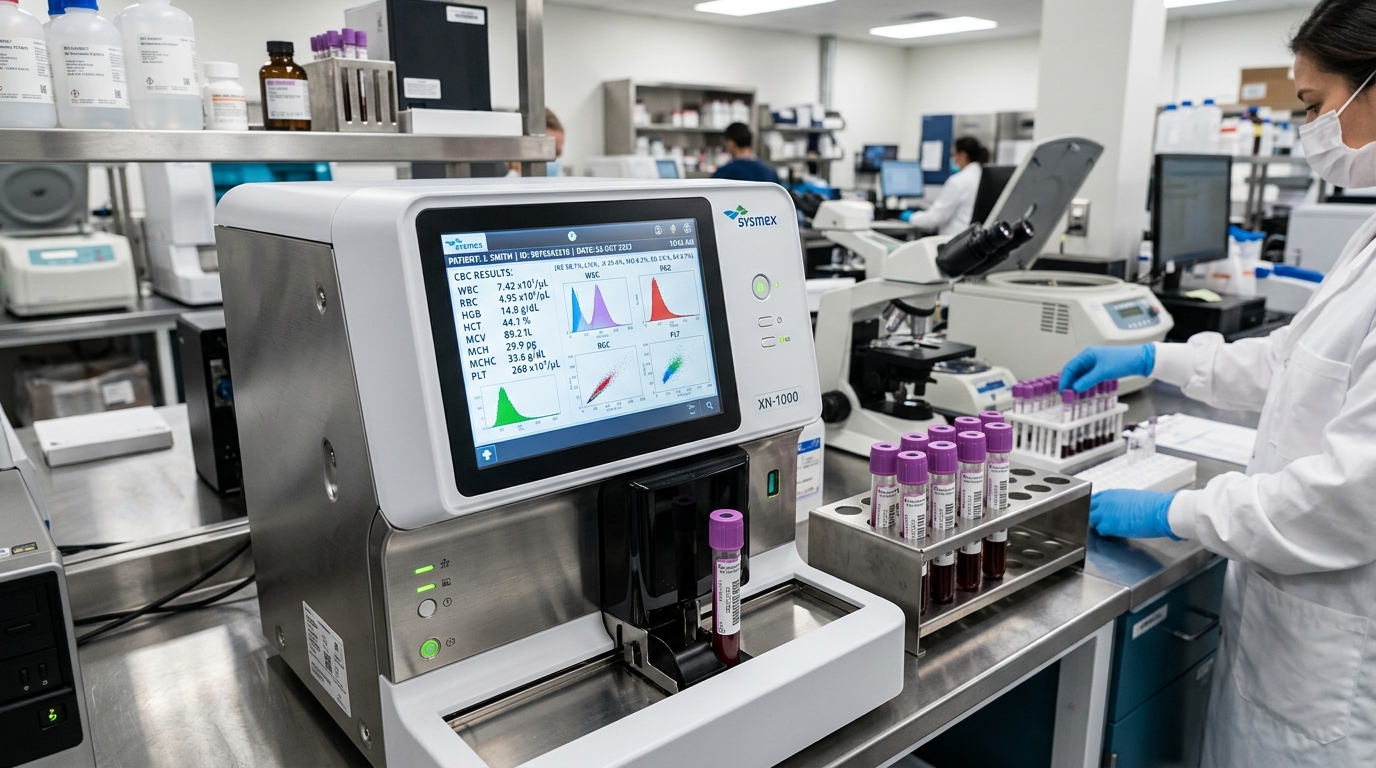
The Complete Blood Count evaluates circulating cellular elements. It quantifies hemoglobin, red blood cells, hematocrit, red cell indices (MCV, MCH, MCHC, RDW), white blood cells with 5-part differential, and platelets. The Erythrocyte Sedimentation Rate (ESR) is an inflammatory marker that screens for chronic occult infections or autoimmune activity.
2. Fasting Blood Sugar & HbA1c (Glycemic Health)
Measures both immediate fasting blood glucose and 90-day glycated hemoglobin. This combination distinguishes between acute stress-induced glucose spikes and chronic insulin resistance, catching prediabetes early. See our comparative guide on Fasting vs PP vs HbA1c.
3. Lipid Profile (Cardiovascular & Atherosclerosis Risk)
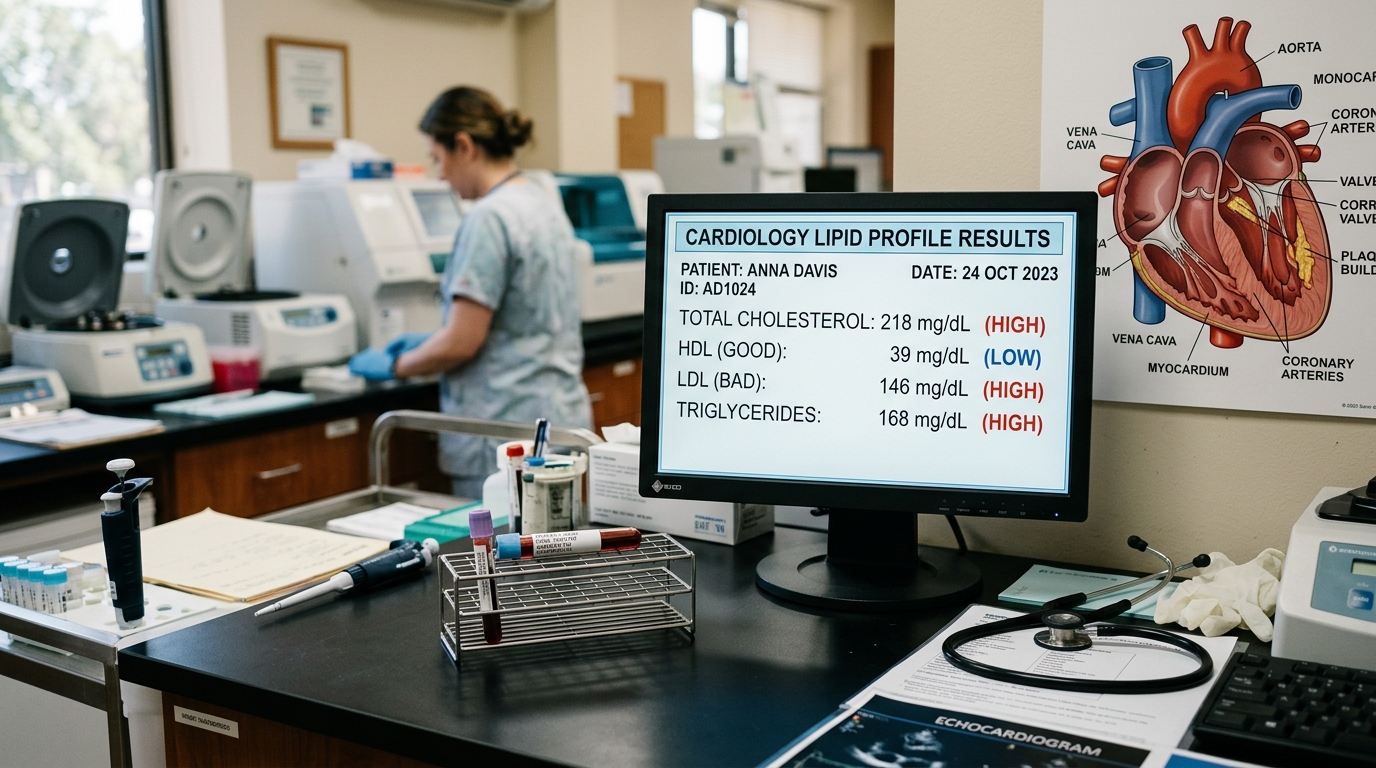
The Lipid Profile evaluates Total Cholesterol, HDL (good), LDL (bad), VLDL, and Triglycerides. It computes atherogenic ratios that determine your risk of coronary artery disease, stroke, and peripheral arterial disease.
4. Liver Function Test (LFT Panel)
The Liver Function Test measures hepatic enzymes: SGPT (ALT), SGOT (AST), Alkaline Phosphatase (ALP), and Bilirubin (Total, Direct, Indirect), along with Total Protein, Albumin, and Globulin. It uncovers early non-alcoholic fatty liver disease (NAFLD), alcohol-induced stress, and biliary tract congestion.
5. Kidney Function Test (KFT / RFT Panel)
The Kidney Function Test measures Serum Creatinine, Blood Urea Nitrogen (BUN), Urea, Uric Acid, and calculates the Estimated Glomerular Filtration Rate (eGFR). It also detects hyperuricemia (gout and cardiovascular risk) and early glomerular filtration decline.
6. Thyroid Stimulating Hormone (TSH)
The Thyroid Profile (TSH) screens for hypothyroidism and hyperthyroidism. TSH is exquisitely sensitive to minor shifts in thyroid gland output, serving as an early indicator of metabolic dysregulation, unexplained weight changes, and mood disturbances.
7. Micronutrient Profile: Vitamin D3 & Vitamin B12
Evaluates serum 25-Hydroxy Vitamin D and active Vitamin B12. Vitamin D is essential for calcium absorption, bone strength, and immune defense. Vitamin B12 is crucial for neurological health, DNA synthesis, and red blood cell production.
8. Urine Routine & Microscopic Examination
A comprehensive urinalysis detects proteinuria (early kidney filter leakage), microscopic hematuria (red blood cells indicating stones or bladder irritation), glucose, bilirubin, and occult urinary tract infections.
Master Annual Blood Test Checklist & Reference Targets
The following master checklist details each essential annual test, whether fasting is required, and target reference ranges for healthy adults:
| Panel Name | Key Markers Tested | Fasting Required? | Healthy Adult Target Range |
|---|---|---|---|
| Complete Blood Count (CBC) | Hemoglobin, RBC, WBC, Platelets, MCV | No (Optional) | Hb: 13.0–17.0 g/dL (Men), 12.0–15.5 g/dL (Women) WBC: 4,000–11,000 /μL Platelets: 1.5–4.5 Lakh/μL |
| Glycemic Profile | Fasting Glucose & HbA1c | Yes (10–12 Hours) | Fasting Glucose: 70–99 mg/dL HbA1c: < 5.7% (Optimal) |
| Lipid Profile | Total Chol, LDL, HDL, Triglycerides | Yes (10–12 Hours) | Total Chol: < 200 mg/dL LDL: < 100 mg/dL HDL: > 40 mg/dL (M), > 50 mg/dL (W) Triglycerides: < 150 mg/dL |
| Liver Function (LFT) | SGPT (ALT), SGOT (AST), Bilirubin, Albumin | No (Included in fasting) | SGPT: 7–56 U/L SGOT: 10–40 U/L Total Bilirubin: 0.2–1.2 mg/dL Albumin: 3.5–5.0 g/dL |
| Kidney Function (KFT) | Creatinine, BUN, Urea, Uric Acid, eGFR | No (Included in fasting) | Creatinine: 0.6–1.2 mg/dL eGFR: > 90 mL/min/1.73m2 Uric Acid: 3.5–7.2 mg/dL |
| Thyroid (TSH) | Thyroid Stimulating Hormone | No (Morning preferred) | TSH: 0.45–4.50 μIU/mL |
| Vitamins D3 & B12 | 25-OH Vitamin D, Serum Cobalamin | No | Vitamin D: 30.0–100.0 ng/mL Vitamin B12: 200–900 pg/mL |
| Urine Examination | Protein, Glucose, RBCs, Pus Cells, Casts | No (Morning sample) | Protein: Negative / Nil RBC / Pus Cells: 0–2 / HPF |
Pre-Analytical Preparation & Avoiding Errors
Up to 70% of diagnostic laboratory discrepancies occur during the pre-analytical phase (patient preparation and sample handling). Follow these strict rules:
- 10 to 12 Hours Fasting Window: Do not eat food, milk, juice, or morning tea. Plain water is encouraged. Fasting longer than 14 hours is counterproductive, as starvation ketosis can artificially elevate uric acid and bilirubin levels.
- Hydrate with Plain Water: Dehydration causes hemoconcentration, falsely raising red blood cell counts, hemoglobin, and creatinine. Drink 1 to 2 glasses of plain water before your morning sample.
- Pause Biotin (Vitamin B7) Supplements: If taking multivitamin or hair/skin supplements containing high-dose biotin, pause them 48 hours before testing, as biotin interferes with modern laboratory immunoassay reagents for TSH and cardiac troponin.
- Avoid Strenuous Workouts 24 Hours Prior: Heavy weight lifting causes micro-muscle damage, leading to transient spikes in serum AST, creatinine, and CPK. For busy individuals in Delhi NCR, choosing blood tests at home makes early morning fasting testing seamless.
How to Track Your Yearly Trends
When you receive your annual reports, organize them into a digital health folder or spreadsheet. Track these key metrics year over year:
- Glycemic Trend: Watch your HbA1c trajectory. A gradual climb from 5.2% to 5.6% over three years indicates emerging insulin resistance, signaling a need to reduce refined carbohydrates before crossing into prediabetes.
- Atherogenic Ratios: Monitor your Total Cholesterol-to-HDL ratio (target below 4.0) and Triglyceride-to-HDL ratio (target below 2.0). A rising Triglyceride/HDL ratio is an accurate indicator of metabolic syndrome.
- Liver Enzymes: If SGPT steadily increases from 25 U/L to 48 U/L over consecutive years, it suggests early hepatic fat accumulation even if still within the normal laboratory range.
When Abnormal Results Demand Urgent Review
While most borderline findings can be addressed through routine lifestyle modifications, certain red-flag laboratory values require immediate clinical attention:
- Hemoglobin below 8.0 g/dL or above 18.5 g/dL.
- Fasting blood glucose above 200 mg/dL or HbA1c above 9.0%.
- Serum Potassium below 3.0 mEq/L or above 5.5 mEq/L (cardiac arrhythmia risk).
- Serum Creatinine above 2.0 mg/dL with acute reduction in urine output.
- Platelet count below 50,000 /μL.
Book Your Annual Blood Test Panel with Doorstep Collection
Get all 8 essential annual panels completed in a single visit with Mission100. Free home sample collection across Delhi NCR, certified cold-chain logistics, and verified digital reports.
Frequently Asked Questions
Common clinical questions answered by Mission100 physicians.
Yes. Routine antihypertensive (blood pressure) medications should be taken as prescribed with a sip of plain water on the morning of your test. However, if you take oral diabetes medications or insulin, withhold the morning dose until after your fasting blood draw to avoid hypoglycemia.
This article is grounded in peer-reviewed clinical literature and guidelines from leading healthcare authorities:
- [1](2023). "Clinical Guide to Laboratory Tests and Annual Screening Standards".
- [2](2024). "National Ethical Guidelines and Diagnostic Reference Ranges for Indians".
This content is for general informational and educational purposes only and does not substitute for professional medical advice, diagnosis, or treatment. Always seek the advice of a qualified physician or certified healthcare provider with any questions regarding medical conditions or diagnostic tests.